

Science
Halloween at the Planetarium
Marshall W. Alworth Planetarium celebrates Halloween with some spooky cosmic fun. Attendees can explore magical hands-on activities, watch planetarium shows, and collect some candy. Costumes are encouraged.
Spooktober Wednesday
The Marshall W. Alworth Planetarium presents spooky cosmic content for the Halloween season.
October Schedule:
Oct. 7: Spooky Star Stories to Tell in the Dark
Oct. 14: Aliens! More likely than you think…
Oct. 21: The Magical World of Astronomy: A Harry Potter Show
Oct. 28: Monsters in the Sky
Unveiling the Invisible Universe
This video presents images of the cosmos as revealed by different kinds of scientific tools. Each show will be followed by a live presentation of Tonight’s Sky.
Spooky Space
Meet the stars of Halloween — monsters, zombies and ghosts — and their far more terrible counterparts in space, like black holes, zombie stars and spectacular ghostly nebulae. Closed captions available upon request. Each show will be followed by a live presentation of Tonight’s Sky.
Sensory-friendly showing on October 10th at 4 p.m.
Minnesota Statewide Star Party 2026
Celebrate Minnesota’s official state constellation at the seventh annual Statewide Star Party. A star party is a gathering of astronomy enthusiasts and curious individuals who come together to appreciate the wonders of the universe.
This year, the theme is Celebrating Minnesota’s State Constellation: Ursa Minor. Join the star party at the planetarium. This event is a partnership with the Bell Museum.
Black Holes: the Other Side of Infinity
Explore the world of black holes in this program narrated by Academy Award-nominated actor Liam Neeson. Closed captions available upon request. Each show is followed by a live presentation of the night’s sky.
Tickets are available at tickets.umn.edu or at the door. UMD students are required to show their student identification for the discounted admission.
Doors open 30 minutes before showtime. Food and drinks are not allowed in the Planetarium. Proof of purchase must be shown at the door.
Wonderstruck Wednesday Planetarium Show
Space fans can explore the wonders of the cosmos at the Marshall W. Alworth Planetarium with free shows on Wonderstruck Wednesdays. Shows last about half an hour, and doors open 30 minutes before showtime. There are no food or drinks allowed in the Planetarium.
Full September schedule:
Sept. 2: Exploring the August Sky
Sept. 9: Presentation by the Arrowhead Astronomical Society
Sept. 16: Mythbusters: Astronomy
Sept. 23: Mission to Mars
Sept. 30: Exploring Dark Skies
Dark Sky Caravan: UMD
The Marshall W. Alworth Planetarium is gearing up to hit the road again for the annual Dark Sky Caravan, running August 10-15.
Minnesota is home to the Boundary Waters Canoe Area Wilderness which is the second largest International Dark Sky Sanctuary in the world. To celebrate dark skies, Planetarium staff will be traveling along the North Shore stopping at different locations each night for a star party. Enjoy fun activities and presentations or the planetarium shows. Once it gets dark, all can gaze through telescopes and get a live sky tour of the stars and constellations visible. Be on the lookout for meteors from the Perseid meteor shower which peaks Aug 12th-13th. If it’s cloudy, don’t worry. Staff will have fun activities and digital sky tours so you can learn what to look for when it clears up.
The list of stops are below:
Aug. 10: 7 to 10 p.m.: Marshall W. Alworth Planetarium – UMD, Duluth
Aug. 11: 8 to 10 p.m.: Split Rock Lighthouse, Two Harbors
Aug. 12: 8 to 11 p.m.: Tettegouche State Park Visitor Center, Silver Bay
Aug. 13: 8 to 11 p.m.: North House Folk School, Grand Marais
Aug. 14: 7 to 11 p.m.: Schaap Community Center, Grand Marais
Aug. 15: 6:30 to 10:30 p.m.: Chik-Wauk Museum and Nature Center, Grand Marais
Grab bug spray for some fun under the stars.
For more information, including what to expect each night, click here.
The Planetarium is very thankful to the Gunflint Trail Historical Society, Chik-Wauk Museum and Nature Center and Visit Cook County for their help in planning, coordinating and running the Dark Sky Caravan.
The Sun: Our Living Star
Discover the secrets of the Earth’s star in this planetarium show and experience never-before-seen images of the Sun’s violent surface in immersive fulldome format.
The Sun has shone for four and a half billion years. Its light has been felt by every person who has ever lived. It is the Earth’s nearest star and the planet’s powerhouse, the source of the energy that drives winds, weather and all life. The passage of the Sun’s fiery disc across the sky — day by day, month by month — was the only way to keep track of time for countless past civilizations. Don’t be fooled by the terminology; although it is a typical dwarf star, the Sun consumes 600 million tons of hydrogen each second and is 500 times as massive as all the planets combined.
Each show is followed by a live presentation of the night’s sky.
Admission is $8 for adults; $5 for senior citizens ages 60 and up, kids ages 3-12 and University of Minnesota Duluth students; and free for kids age 2 and under. Tickets are available at tickets.umn.edu or at the door. UMD students are required to show their student identification for the discounted admission.
Doors open 30 minutes before showtime. Food and drinks are not allowed in the planetarium. Proof of purchase must be ready to show at the door.
Family Program: Earth, Moon & Sun
Earth, Moon & Sun is a full-dome planetarium show that explores lunar phases and teaches solar science through the character Coyote, adapted from American Indian oral traditions. It also examines how humans learn through space exploration.
Closed captions are available upon request. The 4 p.m. show on Aug. 8 is a special sensory friendly edition.
Each show is followed by a live presentation of the night’s sky.
Admission is $8 for adults; $5 for senior citizens ages 60 and up, kids ages 3-12 and University of Minnesota Duluth students; and free for kids age 2 and under. Tickets are available at tickets.umn.edu or at the door. UMD students are required to show their student identification for the discounted admission.
Doors open 30 minutes before showtime. Food and drinks are not allowed in the planetarium. Proof of purchase must be ready to show at the door.
Cosmic Tour: Journey Through the Solar System
Fly around the canyons on Mars, plunge through Saturn’s rings, find out why Pluto is now classified as a dwarf planet and more during the planetarium show Journey Through the Solar System.
Each show is followed by a live presentation of the night’s sky.
Admission is $8 for adults; $5 for senior citizens ages 60 and up, kids ages 3-12 and University of Minnesota Duluth students; and free for kids age 2 and under. Tickets are available at tickets.umn.edu or at the door. UMD students are required to show their student identification for the discounted admission.
Doors open 30 minutes before showtime. Food and drinks are not allowed in the planetarium. Proof of purchase must be ready to show at the door.
Micro Adventures
Let’s get small. Explore the microscopic world through the scanning electron microscope in the UMD Research Instrumentation Lab.
How tall trees feed themselves
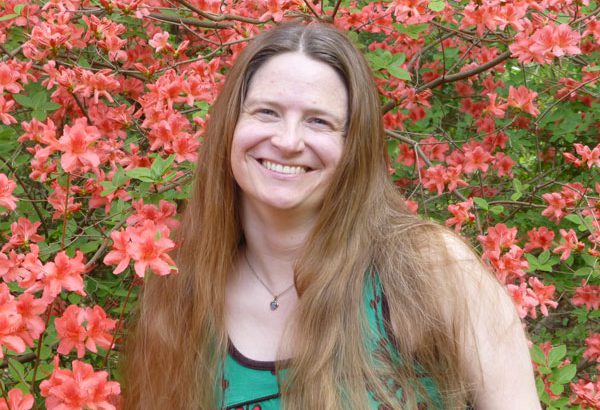 A faculty member at the University of Minnesota Duluth’s Biology Department has conducted research on tall trees that has been published in Nature Plants and will be highlighted in the journal Nature. Assistant Professor Jessica Savage has been teaching at UMD for about a year and is the lead author of a paper detailing the process tall trees use to transport sugar or feed themselves.
The article, “Maintenance of Carbohydrate Transport in Tall Trees,” was published today on nature.com. An online subscription is required to fully nerd out and read the work, but a 277-word abstract is available for free. (more…)
Phyllis Root and Besty Bowen at Northern Lights Books and Gifts on Dec. 4
Children’s author Phyllis Root and illustrator and Grand Marais native Betsy Bowen will be signing copies of their new children’s book Big Belching Bog at Northern Lights Books & Gifts on Saturday, Dec. 4, from 1-2 pm.
